
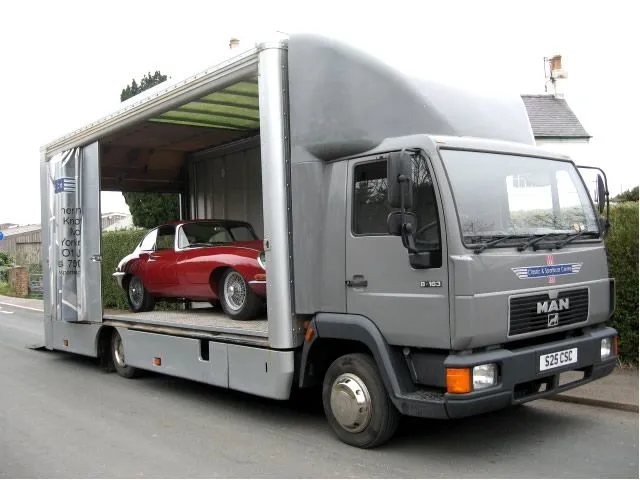
When arranging vehicle transportation, one of the first decisions is whether to choose an open carrier or an enclosed carrier. Both methods are used to transport vehicles over short and long distances, but they offer different levels of exposure, availability, and cost.
The right option depends on your vehicle, budget, transportation route, and personal preferences. Understanding the differences can help you choose a service that meets your needs.
What Is Open Car Transport?
Open car transport involves carrying vehicles on a trailer without solid walls or a roof enclosing the load. Many standard vehicles are shipped this way because open carriers can transport multiple cars on one trip.
One of the main advantages is cost. Since open transport is widely used, it can be an economical option for common vehicle shipments. It is often suitable for sedans, family cars, SUVs, and many pickup trucks.
Open carriers are exposed to normal outdoor conditions. Vehicles may encounter rain, dust, wind, sunlight, and road debris during transportation. This exposure is generally considered acceptable for many everyday vehicles, but customers should understand the difference between open transport and enclosed protection.
Availability depends on the route, date, vehicle dimensions, and carrier capacity. Oversized or modified vehicles may require special arrangements.
What Is Enclosed Car Transport?
Enclosed car transport uses a covered trailer to shield vehicles from many outside elements during transit. Depending on the trailer design and service, this can provide greater protection from weather and road debris than open transport.
Owners may consider enclosed shipping for classic cars, luxury vehicles, restored automobiles, collectible models, or vehicles with delicate finishes. It can also be suitable when an owner simply prefers a covered transportation environment.
Enclosed transport typically costs more than open shipping. Covered carriers generally have different operating costs and capacity limitations, and availability can be more restricted on some routes.
Although enclosed transport offers additional protection, it does not eliminate every transportation risk. Customers should still review the carrier’s cargo insurance, inspection procedures, and contract terms.
Key Differences Between Open and Enclosed Transport
| Feature | Open transport | Enclosed transport |
|---|---|---|
| Trailer design | Exposed carrier | Covered carrier |
| Weather protection | Limited | Greater protection |
| Road-debris exposure | Higher exposure | Reduced exposure |
| Typical cost | Usually lower | Usually higher |
| Vehicle suitability | Most standard vehicles | Valuable or protection-sensitive vehicles |
| Availability | Often more widely available | May be more limited |
| Best consideration | Practicality and budget | Additional protection |
Actual prices, availability, and protection depend on the carrier and shipment.
Which Option Is More Affordable?
Open transport is generally the more economical choice for comparable routes and vehicles. It is widely used, and the ability to carry several vehicles on a trailer can support competitive pricing.
Enclosed transport usually involves a higher quote. However, price should not be the only consideration. Think about the vehicle’s value, condition, finish, modifications, and the level of protection you want.
Compare written quotes for the same pickup and delivery locations, service dates, and vehicle specifications. Check for additional charges, payment conditions, and cancellation policies.
Which Option Should You Choose?
Choose open transport if you are shipping an everyday vehicle and want a practical balance between cost and convenience.
Consider enclosed transport if you own a collectible, classic, luxury, or restored vehicle and want greater protection from outdoor exposure.
If you are unsure, discuss the vehicle’s characteristics with the transport provider. Ask whether its dimensions, ground clearance, condition, and modifications affect carrier eligibility or loading requirements.
How to Prepare for Either Method
Regardless of the carrier type, clean your vehicle, photograph its existing condition, remove personal belongings, secure loose accessories, and document any mechanical issues. Confirm the fuel requirements and disable or remove toll devices as appropriate.
At pickup and delivery, carefully review the inspection report. Keep copies of your shipping agreement and relevant insurance information.
Conclusion
Open and enclosed car shipping both offer useful solutions. Open transport is often preferred for affordability and broad availability, while enclosed transport provides additional shielding for vehicles that need it.
HarborLine Auto Transport can help you compare transportation options based on your vehicle, route, and preferred schedule. Call (661) 276-9469 to discuss your shipping needs.