
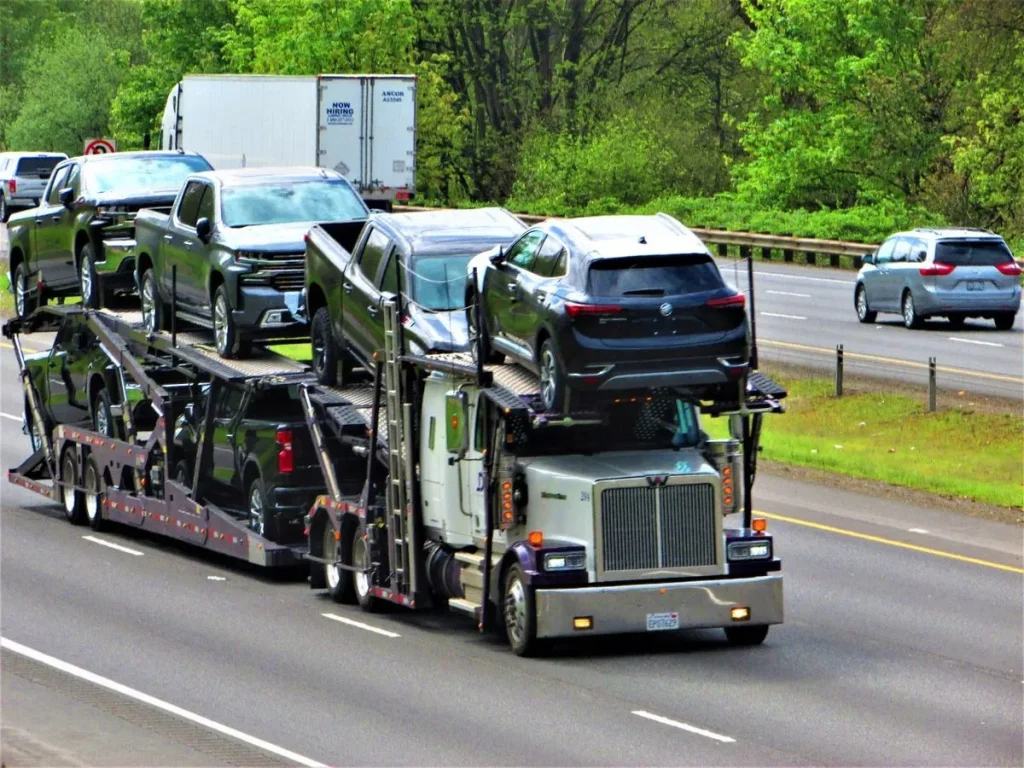
Preparing a vehicle for transportation is an important part of arranging an auto shipment. Whether you are moving from Bakersfield to another California city or shipping your car across state lines, taking a few practical steps can help make pickup and delivery more organized.
HarborLine Auto Transport encourages customers to understand their carrier’s instructions before the scheduled collection date. The exact requirements can vary by carrier, vehicle type, and transportation method.
1. Clean Your Vehicle
Wash the exterior before pickup so visible scratches, dents, chips, and other existing marks can be identified.
You do not necessarily need a professional detailing service. A basic wash that makes the vehicle’s condition easier to inspect is often sufficient.
Pay attention to bumpers, doors, mirrors, wheels, and other areas where existing damage might otherwise be difficult to see. If the vehicle is excessively dirty, documenting its condition may be more difficult.
2. Take Photos of Existing Damage
Photograph the vehicle from multiple angles before the carrier arrives. Include the front, rear, both sides, roof if accessible, wheels, and any visible damage.
Take close-up pictures of scratches, dents, broken components, or other existing issues. Keep the photos with your shipping paperwork so they can be referenced during delivery.
At pickup, compare your photographs with the carrier’s inspection report. Make sure the documented condition accurately reflects what is visible.
Repeat the inspection when the vehicle arrives. If you notice possible new damage, photograph it and record the concern on the delivery paperwork before completing the handoff. Follow the carrier’s claim procedure promptly.
3. Remove Personal Belongings
Remove luggage, electronics, important documents, valuables, loose objects, and other personal possessions from the vehicle.
Personal property may be prohibited or restricted by the carrier’s policies, insurance arrangements, and transportation regulations. Items left inside can shift during transit and may create additional risks.
Remove or secure removable accessories as directed. Ask the carrier about child seats, roof racks, bike racks, spoilers, or other equipment that could affect vehicle dimensions or loading.
Do not leave house keys, identification documents, or sensitive personal information in the vehicle.
4. Check Fuel, Battery, Tires, and Fluids
Unless instructed otherwise, keep approximately one-quarter tank of fuel. A carrier may provide specific requirements, particularly for vehicles with special handling needs.
Check that the battery is adequately charged, tires are properly inflated, and there are no obvious fluid leaks. Tell the carrier if the vehicle does not start, steer, or brake normally.
If your vehicle is inoperable, disclose this before booking. Non-running vehicles may require special equipment, additional handling, or a carrier specifically equipped for the task.
For electric and hybrid vehicles, follow the manufacturer’s guidance and the carrier’s requirements for charge level, transport mode, and battery condition.
5. Secure Loose Parts and Special Equipment
Fold in mirrors where appropriate and retract or remove antennas if required. Make sure convertible tops are secured and that aftermarket components are firmly attached.
Inform the transport provider about low ground clearance, lift kits, oversized tires, aftermarket spoilers, or other modifications that may affect loading and unloading.
If the vehicle has an alarm system, ask whether it should be disabled or whether instructions should be provided to the carrier.
6. Prepare Your Documents and Contact Details
Keep your shipping confirmation, carrier contact information, pickup details, and delivery information accessible.
Confirm the pickup window, delivery estimate, payment method, and any required documentation. Ensure that someone authorized can release the vehicle and that the delivery recipient can be reached.
Ask who will contact you when the driver is approaching and what happens if access to your address is restricted.
7. Inspect the Vehicle at Pickup and Delivery
At pickup, review the vehicle condition report before signing. Keep a copy and make sure the date and relevant vehicle details are correct.
At delivery, inspect the vehicle carefully before signing the final report. Compare its condition with the pickup documentation and photographs. Record any concerns clearly and ask for a copy of the completed paperwork.
If you identify damage, notify the responsible carrier promptly and follow the written claims procedure. Do not assume that a verbal report alone is sufficient.
Vehicle Shipping Preparation Checklist
Conclusion
Preparing your car for shipping helps create a clearer record of its condition and makes the transportation process easier to coordinate. Start early, follow the assigned carrier’s instructions, and keep all important documents and contact details available.
For assistance comparing vehicle shipping options, contact HarborLine Auto Transport at (661) 276-9469.