
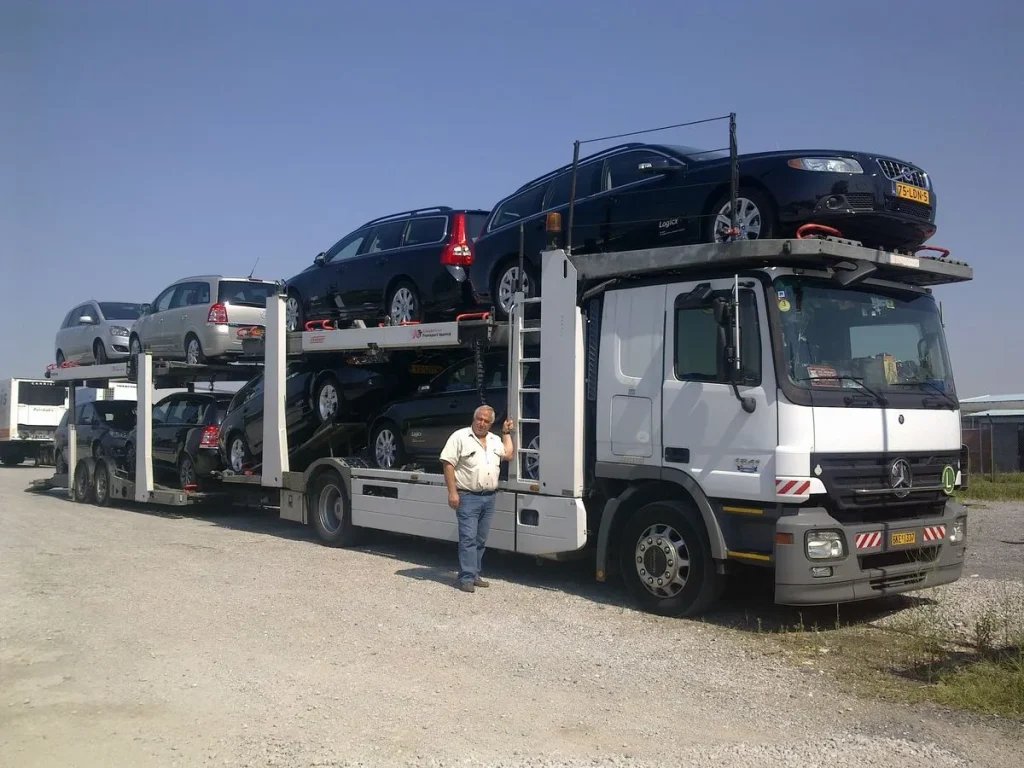
Shipping a car from California can be a practical solution when moving to another state, purchasing a vehicle online, relocating for work, or transporting a car to a family member. Rather than driving hundreds or thousands of miles, you can arrange professional vehicle transportation that fits your schedule and budget.
HarborLine Auto Transport helps customers explore vehicle shipping options from Bakersfield and other locations. Understanding the process before booking can help you make informed decisions, prepare your vehicle properly, and avoid unnecessary complications.
1. Choose the Right Auto Transport Service
The first step is choosing a transportation method that suits your vehicle and circumstances.
Open car transport is a common choice for standard cars, SUVs, and pickup trucks. Vehicles are carried on an open trailer, making this option suitable for many everyday transportation needs.
Enclosed car transport places your vehicle inside a covered trailer. This option may be appropriate for classic cars, luxury vehicles, collectibles, or vehicles that require additional protection from weather and road debris.
Door-to-door auto transport offers pickup and delivery near your requested locations when suitable access is available. It can reduce the inconvenience of traveling to a distant terminal.
State-to-state auto transport is useful for long-distance moves, college relocations, military transfers, and vehicle purchases involving different states.
Compare the service features, estimated costs, pickup arrangements, and insurance details before choosing an option.
2. Understand What Affects Shipping Costs
There is no single price for every vehicle shipment. Several factors determine the final transportation quote.
-
Distance: Longer routes generally involve greater transportation costs, although pricing does not always increase proportionally with mileage.
-
Vehicle size: Large SUVs, vans, and trucks may take up more trailer space or require additional capacity.
-
Transport method: Enclosed shipping generally costs more than comparable open transport.
-
Route demand: Popular routes and seasonal demand can influence carrier availability and pricing.
-
Pickup accessibility: Remote locations, narrow streets, and difficult loading areas may require alternative arrangements.
-
Scheduling: Flexible pickup dates can sometimes provide more options than strict deadlines.
Request a written quote that explains the agreed service, applicable charges, payment terms, and cancellation conditions. Ask whether the quote is binding or subject to changes under specified circumstances.
3. Prepare Your Vehicle Before Pickup
Proper preparation helps make the pickup process easier.
Start by washing your car so existing scratches, dents, and other visible damage can be documented. Take photographs from several angles and record any concerns before handing over the keys.
Remove personal belongings and loose items from the interior. Transport companies and carriers may restrict personal property inside vehicles because of weight limits, liability issues, and applicable regulations.
Check tire pressure, battery condition, and fluid levels. Tell the transport provider about mechanical problems, low ground clearance, oversized modifications, or other issues that could affect loading.
Keep the fuel level at approximately one-quarter of a tank unless the carrier gives different instructions. Remove toll tags and secure or remove removable exterior accessories as directed.
4. Review the Carrier and Insurance Arrangements
Before confirming a shipment, identify the company responsible for transporting your vehicle. Ask for the motor carrier’s legal name and applicable registration information, and verify relevant operating authority through official transportation records.
Clarify who is responsible for arranging transportation, which party handles customer communication, and what cargo insurance applies to your shipment. Ask about policy limits, exclusions, deductibles, and the process for reporting damage.
Do not assume that a broker’s responsibilities and a carrier’s responsibilities are identical. Read the contract and confirm the arrangements in writing.
5. Coordinate Pickup and Delivery
Once the shipment is scheduled, confirm the pickup window, delivery estimate, contact details, and payment arrangements.
At pickup, review the vehicle inspection report and make sure existing damage is recorded. Keep a copy of the documentation. At delivery, inspect the vehicle in good lighting before signing the final condition report, and document any new damage immediately.
If delivery occurs after dark or in poor weather, ask for a suitable inspection opportunity before completing the handoff.
Conclusion
Shipping a car from California becomes easier when you choose an appropriate carrier type, understand the pricing factors, prepare your vehicle, and confirm the terms before booking. HarborLine Auto Transport provides customers with options to explore for open transport, enclosed transport, door-to-door shipping, and interstate vehicle transportation.
Ready to plan your shipment? Contact HarborLine Auto Transport at (661) 276-9469 to discuss your route and request a quote.